
The Allure of Chance
The allure of casinos largely revolves around the thrill of chance. Many individuals are drawn to the unpredictability and excitement that gambling offers. The uncertain outcomes of games create a heightened sense of anticipation, engaging players on an emotional level. The psychology of risk-taking plays a significant role in this allure, as many find that the potential for winning creates a unique adrenaline rush that can be hard to resist. For those interested, australia online casino experiences provide a thrilling way to enjoy this excitement from the comfort of home, making it accessible anytime and anywhere.
The ambiance of a casino is intentionally designed to evoke feelings of euphoria and enthusiasm. The vibrant lights, the cheerful sounds of chimes from gaming machines, and the laughter and chatter of fellow patrons all contribute to an immersive experience. As people walk through the casino floor, they are enveloped in an environment that encourages them to let go of their inhibitions and indulge in the experience. This sensory overload not only enhances their excitement but also makes them more likely to stay longer, further entwining them in the casino’s magnetic charm.
Furthermore, the potential for financial gain ignites a sense of hope that is difficult to extinguish. Gamblers often convince themselves that they are just one lucky moment away from a significant win. Stories of past winners circulate among patrons, perpetuating the idea that success is not only possible but probable. This optimism can overshadow the inherent risks of gambling, reinforcing the desire to visit casinos again and again, as the prospect of winning can be intoxicating and compelling.
The Role of Social Interaction
Social interaction is another critical factor influencing casino visits. Many people enjoy the communal aspect of gambling, whether it’s sharing a table with friends or meeting new people on the gaming floor. This social dynamic can make the experience more enjoyable and less isolating. Engaging with others who share similar interests amplifies the excitement and creates lasting memories, leading to a strong desire to return. The ability to celebrate wins or commiserate over losses together forges bonds that can make the casino feel like a second home.
In addition, many casinos offer social games that encourage interaction among players. Poker is a prime example, where strategy and communication play vital roles. Players often form alliances, read opponents, and celebrate wins together. This communal involvement fosters a sense of belonging, making each visit feel less like a solitary act and more like a shared adventure. The thrill of competition paired with camaraderie enhances the overall experience and motivates individuals to return, seeking both social connection and the thrill of the game.

Moreover, social factors can also contribute to the emotional highs and lows associated with gambling. Winning can lead to celebrations with friends, while losses may provoke shared expressions of sympathy and support. This emotional rollercoaster creates a strong connection to the venue and the people within, encouraging repeated visits to sustain those social bonds. Over time, these experiences build a tapestry of memories that intertwine personal relationships with the thrill of gambling, making the casino a pivotal space for social interactions.
Behavioral Economics and Decision Making
The psychology of decision-making under uncertainty plays a pivotal role in the gambling experience. Behavioral economics explores how individuals often make irrational choices when it comes to risk. For example, the gambler’s fallacy leads individuals to believe that past outcomes can influence future chances, resulting in misguided betting strategies. This cognitive bias can keep players at the tables longer, chasing losses and hoping for a change in fortune. Understanding these psychological pitfalls is essential in grasping the allure of casinos, as they often exploit these biases to enhance player engagement.
Additionally, the concept of loss aversion is crucial in understanding casino visits. Research suggests that people dislike losing more than they enjoy winning. This principle can lead gamblers to increase their betting in an attempt to recover losses, despite the odds often being stacked against them. The psychological drive to avoid loss can create a cycle of gameplay that is tough to break, reinforcing the casino experience. Players may find themselves caught in a loop of increasing bets, driven more by fear of loss than by the joy of winning.
On the flip side, the joy of winning, no matter how small, can reinforce continued play. Casinos are often designed to create a sense of progression, where players feel that their efforts can yield results. Slot machines, for instance, are engineered to provide frequent small wins interspersed with larger payouts, maintaining player engagement. This design encourages repeated engagement, as players rationalize spending more time and money in search of further rewards. Understanding these psychological mechanisms illuminates why individuals frequently visit casinos, even when the odds are not in their favor.
The Impact of Environmental Design
The environment within a casino is meticulously crafted to enhance the gambling experience and influence behavior. From layout to sensory stimulation, every aspect is designed to keep players engaged. Casinos typically employ a labyrinthine design, encouraging exploration and delaying the realization of time spent gambling. This design minimizes the impact of external factors, allowing players to focus on games and socialization. By creating an environment where time seems to stand still, casinos can extend the duration of visits and increase spending.
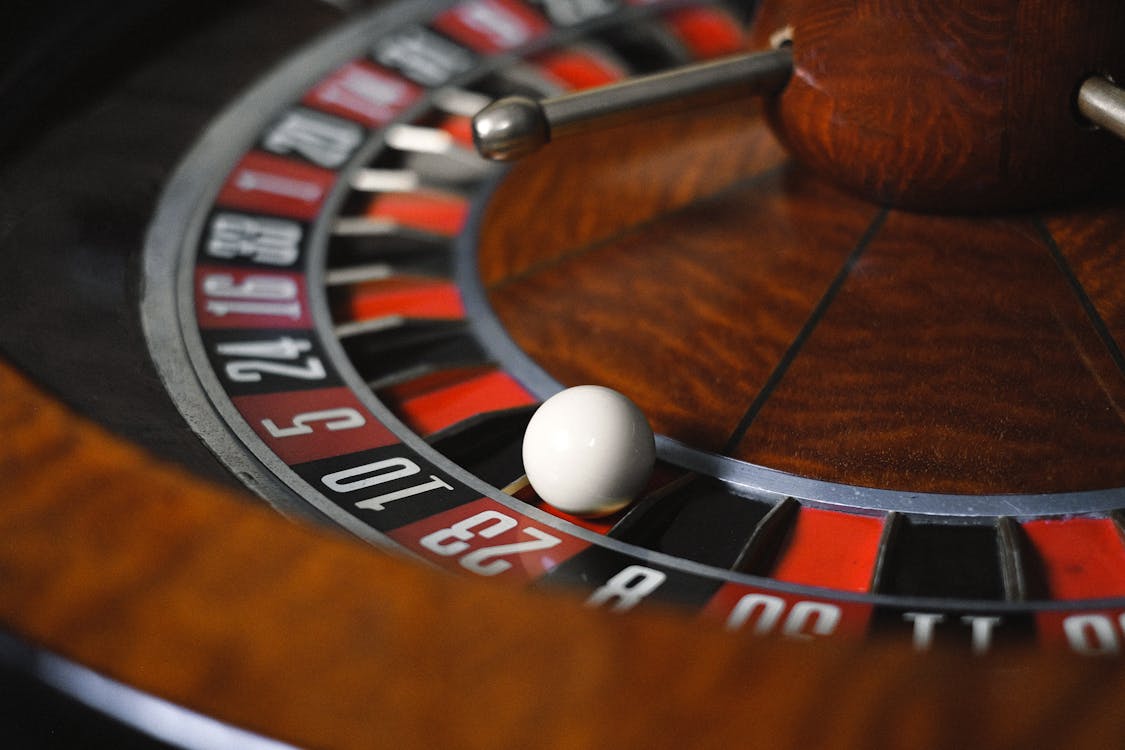
The use of colors, sounds, and lighting also plays a crucial role in shaping emotions and behavior within the casino. Bright colors and flashing lights create an energetic atmosphere, while sounds like ringing coins or cheers from winning tables enhance the thrill. Such sensory cues can produce a euphoric effect, making it easy for players to lose track of time or money spent in the venue. Casinos often employ sound design strategically to amplify the excitement, ensuring that the atmosphere remains electric and engaging.
Moreover, casinos often feature complimentary drinks and snacks, further encouraging patrons to stay longer. This strategy not only enhances the gambling experience but also fosters a sense of hospitality that can create a bond between the player and the casino. By understanding the psychological impact of environmental design, casinos can maximize engagement and ensure that visitors continue to return for more experiences. The combination of sensory stimulation and strategic hospitality creates an inviting atmosphere that cultivates loyalty and repeat visits.
Understanding the Casino Experience Through Research
Research into the psychology of casino visits reveals a complex interplay of factors that influence gambling behavior. Studies indicate that individuals may be motivated by various psychological needs, from thrill-seeking and social interaction to emotional support and escapism. Understanding these underlying motivations can help improve responsible gambling practices and enhance player experiences. This knowledge provides valuable insights into how casinos can tailor their offerings to better meet the needs of their patrons.
Furthermore, ongoing research in behavioral science continues to uncover new insights into how individuals make decisions in high-stakes environments. These findings can inform how casinos design games and marketing strategies. By aligning these strategies with the psychological profiles of their visitors, casinos can foster a more sustainable gambling culture that prioritizes both enjoyment and responsibility. This research-driven approach can lead to innovations that enhance player engagement while promoting responsible gaming.
As the gaming industry evolves, incorporating psychological research into casino operations can lead to more engaging experiences for players. Beyond mere entertainment, it can also promote understanding and awareness of responsible gambling, ensuring that visitors enjoy their experiences without succumbing to the pitfalls of addiction. This holistic approach contributes to a healthier relationship between players and gaming establishments, fostering an environment where fun and responsibility coexist harmoniously.