
The Nature of Randomness in Gambling
At first glance, many people perceive casinos as establishments driven entirely by the element of chance. Games such as slots, roulette, and blackjack are often mistakenly thought to be purely random, where outcomes are unpredictable and left to fate. However, this perception overlooks the complex mechanisms employed by casinos to ensure a house advantage, which is designed to benefit the casino over time. For instance, players seeking the best australian online pokies should understand that the odds are calculated to maintain the casino’s edge, reflecting the underlying probabilities that govern the overall results.
Understanding randomness in gambling begins with the concept of probability. Each game has a specific set of odds that, when understood, can help players make more informed decisions. For instance, in a game of roulette, each number has an equal probability of landing, yet the house edge comes from the presence of the green zero (or double zero), which skews the odds in favor of the casino. Thus, outcomes may seem random in short bursts, but the overall patterns reflect calculated probabilities influenced by the design of the games.
The technology behind modern casinos, particularly in electronic gaming machines, further complicates the notion of randomness. Random Number Generators (RNGs) are used to ensure that outcomes are generated randomly. However, these systems are programmed to follow certain statistical distributions, meaning that while individual spins or hands may be random, the overall return to player (RTP) percentages are controlled. This controlled randomness is essential for casinos to maintain profitability while still offering players the thrill of gambling.
The Role of House Edge
Every casino game is designed with a built-in advantage known as the house edge, which assures that over time, the casino will profit from the games they offer. This edge is the statistical advantage that ensures the casino makes money in the long run. For example, in blackjack, while players can employ strategies to maximize their chances, the rules of the game inherently give the house a slight edge, thus tilting the odds in favor of the casino. Understanding how the house edge operates is crucial for any player looking to engage with these games.
The house edge can vary significantly from game to game. For instance, games like poker can have a lower house edge compared to slots, depending on player skill and strategy. This variance in edge creates an environment where players can choose their level of risk and potential reward. However, it is crucial for players to recognize that the odds are stacked against them, making it essential to approach gambling with a clear understanding of their limitations and the house’s inevitable advantage. The variance in the house edge can also influence how long players are willing to stay engaged with a particular game.
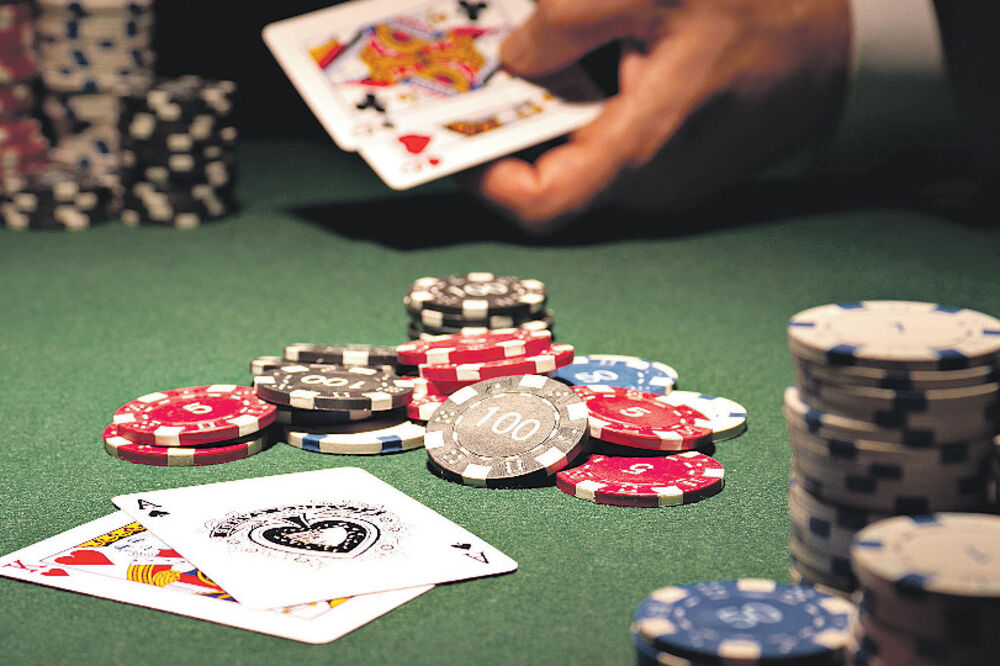
Moreover, the house edge is not merely about raw probabilities; it also encompasses psychological factors that influence player behavior. Casinos are designed to create an atmosphere that encourages prolonged play, often utilizing techniques like complimentary drinks, bright lights, and engaging sounds to enhance the experience. These factors can lead players to stay longer, increasing their chances of facing the house edge repeatedly, which ultimately works in favor of the casino. The design elements in casinos aim to create an illusion of winning, which keeps players invested in the experience.
Cognitive Biases and Player Perception
Cognitive biases significantly impact how players perceive randomness and their chances of winning in a casino. One of the most common biases is the gambler’s fallacy, where individuals believe that past outcomes influence future events. For example, if a roulette wheel has landed on red several times in a row, a player might erroneously assume that black is “due” to occur. In reality, each spin is independent, and probabilities do not change based on previous outcomes. This misunderstanding of randomness can lead to poor decision-making among players.
This fallacy highlights the need for players to be educated on the underlying mathematical principles of gambling. Without this knowledge, many players fall prey to misconceptions that can lead to poor decision-making. Understanding the independence of events in games can empower players to approach gambling with a more rational mindset, allowing them to recognize when they are influenced by biases that could be detrimental to their bankroll. Awareness of these biases can help players make more informed choices and potentially mitigate losses.
In addition to the gambler’s fallacy, other cognitive biases such as loss aversion can affect a player’s experience in a casino. Players often feel the impact of losses more acutely than they enjoy the thrill of wins. This emotional response can lead to chasing losses, where individuals continue to gamble in an attempt to recover lost funds. Such behavior can quickly spiral out of control, further highlighting the importance of self-awareness and discipline in gambling practices. Recognizing these psychological traps is essential for maintaining a healthy approach to gambling.
The Influence of Technology on Randomness
The introduction of technology has changed the landscape of gambling, raising questions about the true randomness of games. Online casinos utilize RNGs to ensure fair play, yet the effectiveness and fairness of these algorithms rely on rigorous testing and regulation. Players must trust that the software behind their favorite games operates impartially, generating results that are genuinely random and unpredictable. However, concerns regarding the transparency of these systems persist, as players are often unaware of how these algorithms function.
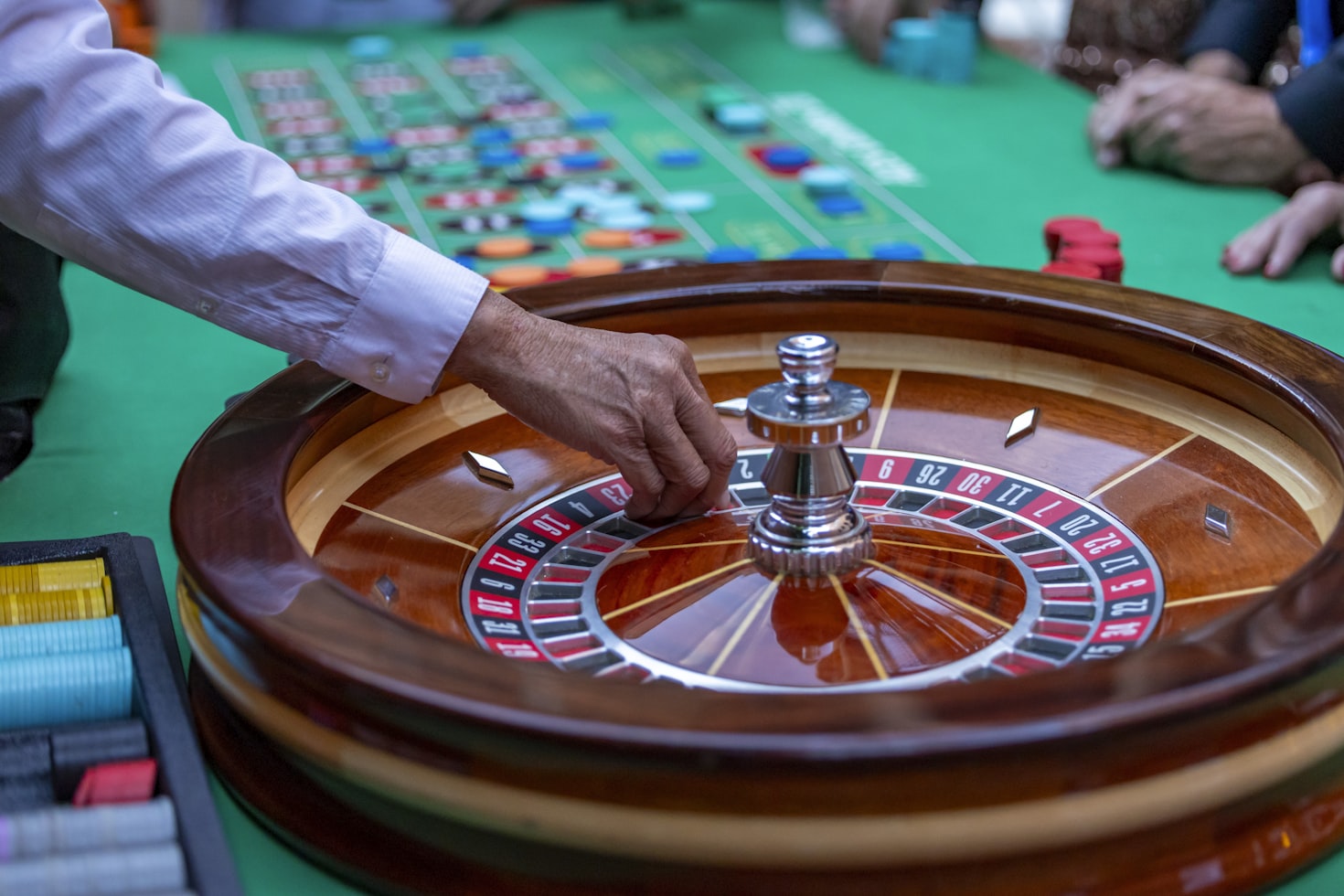
Moreover, advancements in analytic software allow casinos to monitor patterns in player behavior and game outcomes. This data-driven approach enables casinos to adjust games, bonus offerings, and other dynamics in real-time, effectively modifying the randomness experienced by players. While this may enhance player engagement, it also introduces complexities regarding the transparency of gaming outcomes, especially in online environments where players do not physically interact with the gaming apparatus. The balance between player engagement and fairness is delicate and requires constant scrutiny.
Additionally, the rise of live dealer games has introduced a hybrid experience between traditional and online gambling. These games aim to simulate an authentic casino environment while using technology to ensure random outcomes. However, the reliance on camera systems and streaming technology adds layers of complexity, inviting scrutiny regarding the integrity of the randomness promised to players. As technology continues to evolve, the lines between randomness and control become increasingly blurred in the gambling industry, raising questions about the future of fair play.
Insights from Our Website
In exploring the intriguing dynamics of randomness in casinos, our website aims to provide valuable insights and resources for both casual players and serious gamblers. We deeply analyze various games, offering recommendations based on statistical data and player experiences to enhance your understanding of different strategies and tactics. Our articles delve into the mathematics behind the house edge and the probabilities that govern casino games, aiming to arm players with knowledge essential for making informed decisions. This approach helps players navigate the often overwhelming world of gambling.
Furthermore, our platform emphasizes responsible gambling practices, advocating for a balanced approach to entertainment in casinos. We provide tools and tips for managing your bankroll effectively and recognizing the signs of problematic gambling behavior. By fostering awareness, we strive to contribute to a safer, more enjoyable gambling environment. This commitment to responsible gambling is crucial for ensuring that players can enjoy their experiences without falling into detrimental habits.
As the gambling landscape continues to evolve, our website remains committed to keeping our readers informed about the latest trends, technology, and regulatory changes in the industry. Whether you are seeking strategies, insights into game design, or a deeper understanding of randomness in gambling, we are dedicated to being your go-to source for comprehensive, engaging, and responsible gambling content. Our goal is to empower players with the knowledge they need to make informed decisions and enjoy their gaming experiences responsibly.